
Bend City Directory Collections by Repository
Bend has a useful but uneven historical directory shelf. The best documented local holding is at the Deschutes Historical Museum, where family-history guidance identifies Bend, Redmond, and Prineville city directories and phone books from about 1940 through 1990, plus selected editions from the teens and twenties. These volumes can offer individual or business addresses, telephone numbers, and many professions. They are not proof of ownership or continuous residence, but they provide an unusually close date marker for a household search.
| Collection | Years | Where Held | Access |
|---|---|---|---|
| Bend, Redmond, and Prineville directories and phone books | Circa 1940-1990, with selected teen and twenties editions | Deschutes Historical Museum | Research visit by appointment |
| Local city directories and genealogy indexes | Online shelf years not published | Deschutes Public Library | In-library use, confirm current branch |
| Oregon vital-index microfilm and microfiche | Death 1915-2008; marriage 1906-2008; divorce 1971-2008 | Deschutes Public Library | Historical locating aid |
| Bend Sanborn map set | 1913, 1917, 1920, and 1928 | City Historic Site Maps | Free digitized access |
No online source establishes a complete annual bibliography, a continuous run, or every publisher for Bend. Ask for a particular edition and title before relying on it. That restraint matters because a volume that includes Bend may also include Redmond, Prineville, or rural county listings.
Note: A directory listing is a dated lead, so retain the edition year and page before drawing any family or property conclusion.
Bend City Directory Access Routes
The Deschutes Historical Museum collection is a primary local route for the older Bend city directory and phone-book material. The Museum is at 129 NW Idaho Avenue in Bend and says research visits require an appointment by phone at 541-389-1813 or email at info@deschuteshistory.org. Its archive record access is not fully online, so a strong request names a household, an address, a date range, and the kind of volume sought.
The Deschutes Public Library history and genealogy resources add census microfilm, Oregon vital indexes, local newspapers, and library databases. Local directories and indexes are generally for in-library use. The new Central Library at Stevens Ranch opened in 2026 while Downtown Bend closed for remodeling, so check the current library page or call before a visit. A staff member can confirm whether a requested directory is at the active research location.
The Museum collection page is the source for this Bend city directory research route.
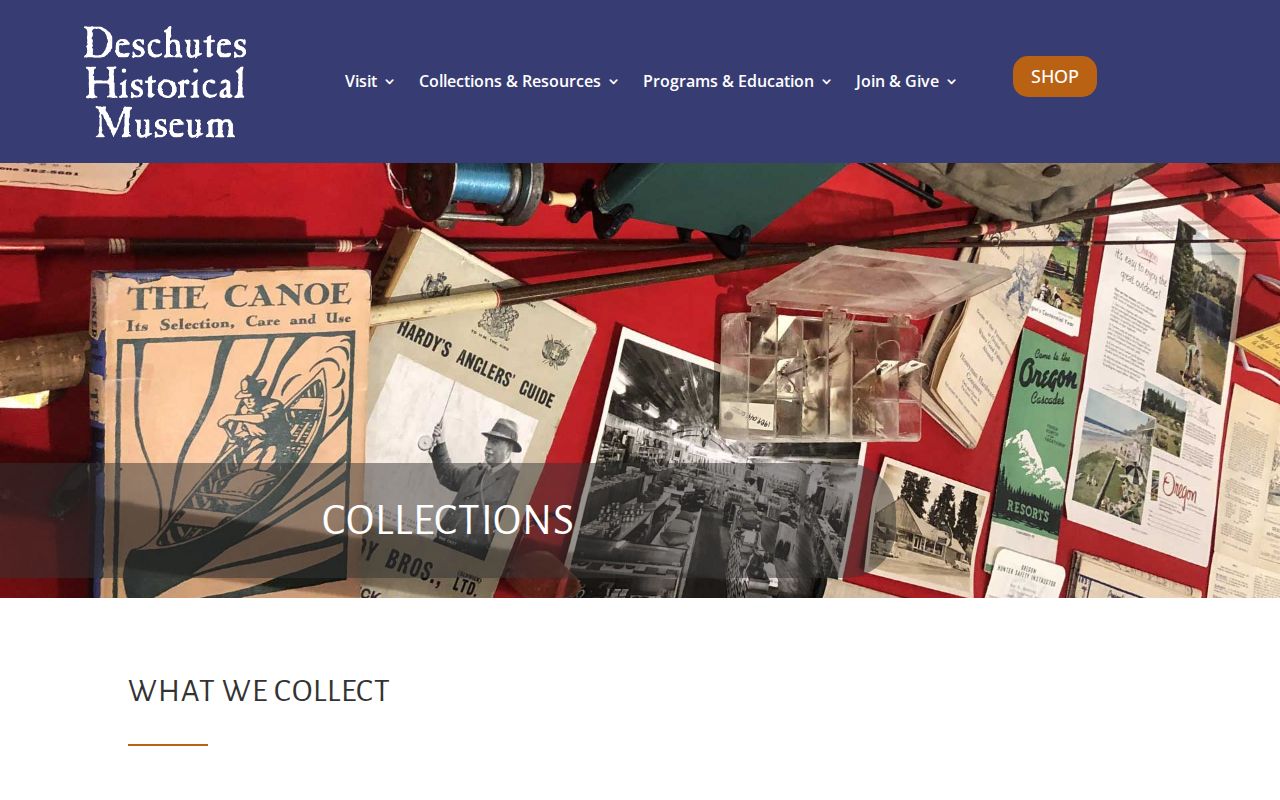
An appointment-based collection can hold an edition that a broad web search will not reveal, which makes an edition-level request more useful than a general query.
The library history page documents Bend city directory companion sources, including in-library genealogy material and newspapers.
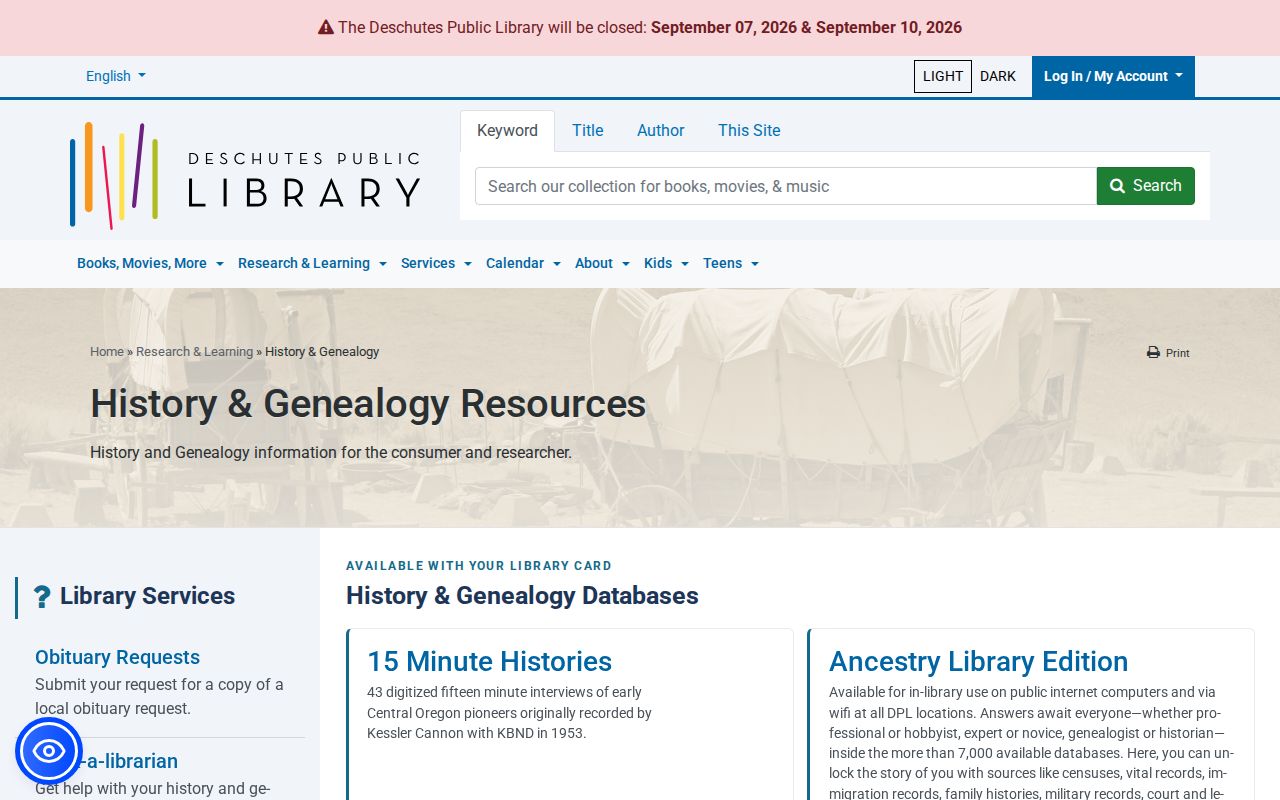
Use library indexes to locate a name or event, then preserve the underlying volume, publication, or custodian record that supports the conclusion.
Reading a Bend City Directory Entry
A Bend city directory entry must be read from the actual edition, not from a generic assumption about directory shorthand. The verified local guidance supports addresses, phone numbers, business listings, and many professions. Before recording a result, inspect the title page for year, publisher, geographic scope, and whether the volume is alphabetical, street order, business, or telephone. Copy initials, spelling, widow or spouse notation, and the page number exactly as printed.
| Name | Record initials, spelling, and any spouse or widow notation exactly as printed. |
|---|---|
| Address | Keep the street address distinct from a business address or telephone subscriber address. |
| Phone listing | A phone-book entry may identify the subscriber or line, not every person at an address. |
| Profession or business | Use it as a dated historical clue, then corroborate it with another record. |
| Volume details | Capture year, title, publisher, geographic coverage, and page or image citation. |
- Criss-cross directory
- An address-order section that can point to a subscriber or occupant. Confirm that the selected local volume actually has one.
- Householder index
- An alphabetical arrangement used to locate a household name. Its exact scope depends on the volume.
- Abbreviation key
- The volume's own explanation of shorthand. Copy it before interpreting a mark or relationship note.
A reverse or criss-cross result is particularly helpful for a former address, but it still does not establish title or every member of a household. Ask Museum or library staff whether the requested year includes that section before treating an address search as available.
Trace Bend City Directories Across Years
Start with the closest available edition to the year of an address or life event. An alphabetical listing may require surname variants and initials; an address section, if present, starts with the number and street. Move forward and backward one available volume at a time. Record changes in address, phone number, business name, spouse notation, and occupation without assuming that a disappearance proves a move or death.
- Request the nearest Museum or library volume and note its exact title, date, and coverage.
- Copy the listing and page, including address, phone, spouse notation, business, and any edition-specific abbreviations.
- Check an earlier and later available edition for the same name, initials, or address.
- Pair the directory sequence with Deschutes Public Library's Oregon census rolls for the relevant census date.
- Use an obituary, marriage index, probate record, or recorded property document to test a change suggested by the listing.
Census rolls place people in a household on one census date. City directories can fill some years between censuses, while deed and probate records may clarify a legal relationship. Keep those evidence types labeled separately. A directory subscriber is not automatically the owner of the property and a proprietor is not automatically a resident there.
Note: Pairing dates works best when every source keeps its own citation and relationship label rather than being collapsed into one claim.
Bend City Directory Addresses on Sanborn Maps
When an older Bend address is hard to place, the City's digitized Historic Site Maps offer Sanborn sheets for 1913, 1917, 1920, and 1928. A map can show whether a building stood at the place, along with footprint or use context. It does not name a household, so it works beside, rather than in place of, a city directory or phone book.
The City historic-map collection is the source for the Bend city directory place-checking sequence.
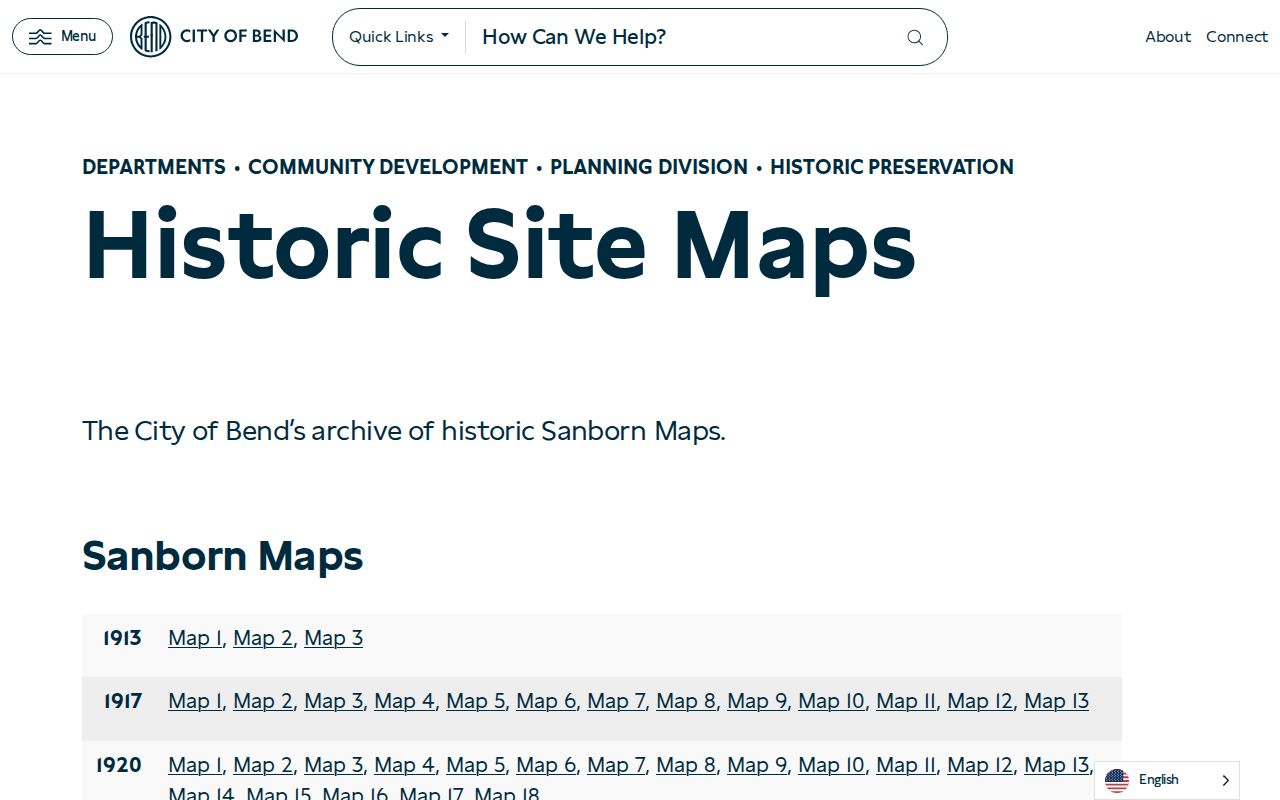
Choose the map edition closest to the directory year, then compare the address with a plat, legal description, or later parcel record if the street name or boundary has changed.
County R. B. Gould field books from 1910 through 1940 add subdivision and survey context. The County describes their handwritten index as sparse, so a failed keyword search is not enough to rule out a useful entry.
Bend City Directory Leads in Local Newspapers
Newspapers can test a directory lead at a more precise moment. Deschutes Public Library lists full text of The Bulletin from 2005 forward and The Oregonian from 1987 forward through America’s News. Its historical list also identifies The Bulletin for 1903-1931, the Redmond Spokesman for 1910-1914, and the Deschutes Echo beginning in 1902. Those runs can supply an obituary, business advertisement, notice, or address-change lead.
Use the publication date and page when available. A newspaper notice may establish that something was announced, but a legal relationship, exact address, or property transfer should be checked against a custodian record. Library database availability can vary by location or license, so the local research desk is the practical fallback when a search result does not open at home.
Bend City Directory Context Before 1916
Deschutes County was organized from Crook County on December 13, 1916. That date explains why a historical household investigation can leave the directory shelf and enter an earlier county context. The first 19 Deschutes deed-record volumes include transcribed Crook County material. A missing early Deschutes entry should prompt a Crook County or State Archives check, not a claim that the property had no history.
The County's record chronology also separates Deed Records from Official Records. Instruments from December 13, 1916 through December 31, 1982 use numbered Deed Record volume and page citations; Official Records began January 1, 1983. A directory suggests an association with an address, while the cited deed series can test ownership and legal description. The different sources answer different questions.
Note: Bend’s documented collection history supports careful edition requests, not an invented complete publisher list or continuous directory run.
Bend City Directory Evidence Limits
Historical directories are strongest when treated as dated, limited snapshots. They may identify a subscriber, a business, an address, or an occupation, but a phone listing does not prove occupancy and a directory resident does not prove ownership. Keep an address association separate from a deed, census household, permit contact, or probate heir. That distinction prevents a plausible timeline from becoming a false family conclusion.
For archive holdings beyond the local shelves, the Oregon State Archives Deschutes inventory identifies series and repositories. The County Records Center itself is listed as having no public access, so contact the responsible office for a particular series. Use historical information for family, local-history, or estate research, and never use it to track or harass a living person.
When a directory lead points to a vital event, the library's Oregon index microfilm can help locate a date, but it is not the certified record. Oregon restricts certified birth records for 100 years and certified death, marriage, divorce, domestic-partnership, and dissolution records for 50 years. Eligible archival access and certified-copy rules are separate questions. A record request is not a way around those restrictions, so use the State Archives, library, or Oregon Health Authority route that matches the record and date. The Oregon Historical Records Index also includes Deschutes delayed births from 1863-1910 and naturalizations from 1917-1969, useful locating leads with their own archival rules.